Proof Testing: Compliance Cost or Reliability Insight?
Proof testing is where engineering rigour has to meet the realities of a running plant. Standard Layer of Protection Analysis workflows often push engineering teams into stacking extra safety layers just to cover compliance grey areas.
What the problem really costs
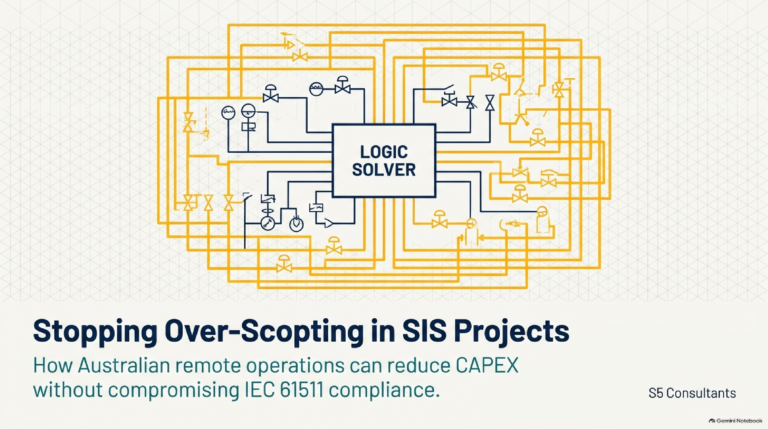
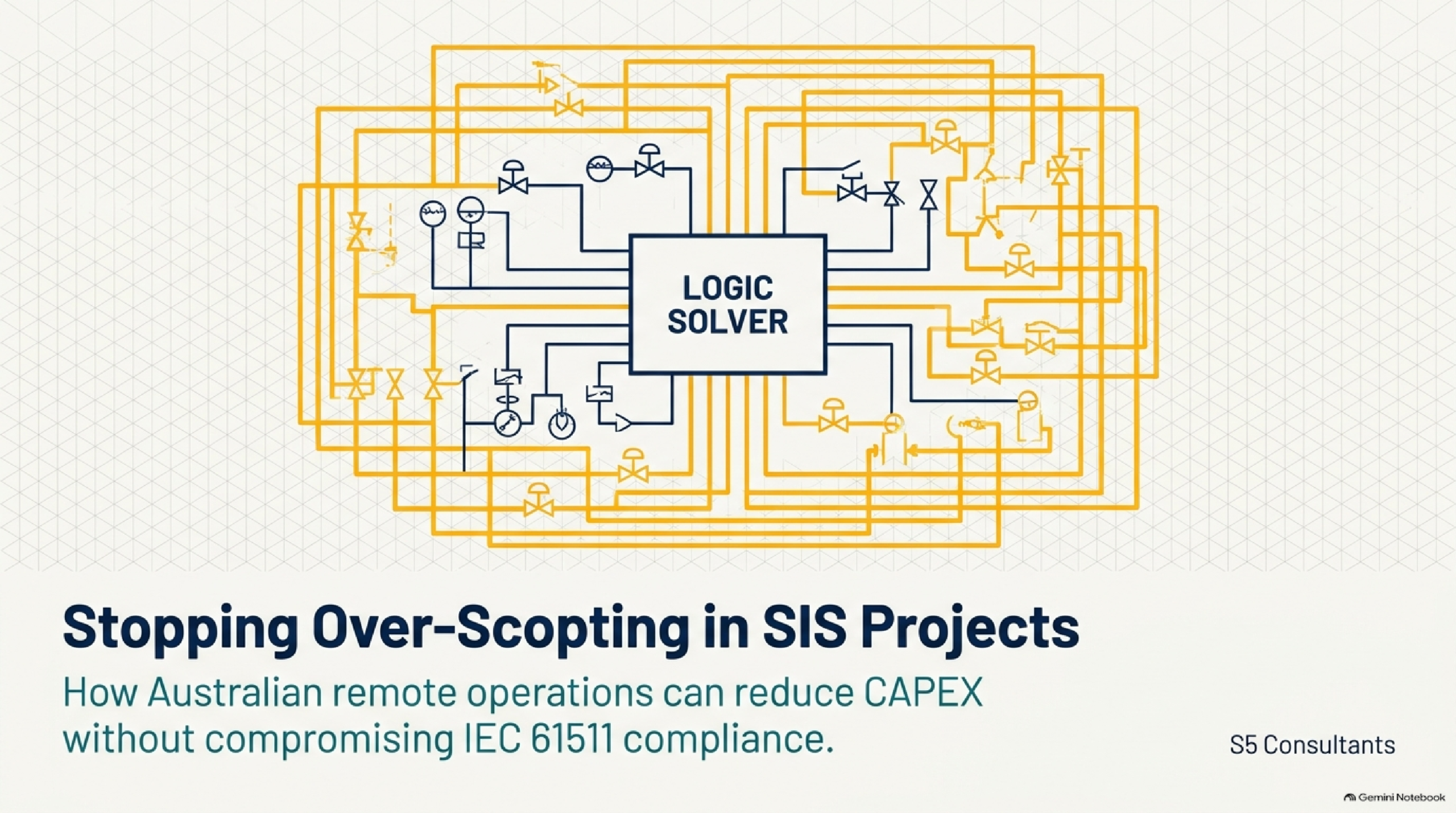
This defensive engineering leads straight to bloated safety instrumented systems that miss the sweet spot of genuine risk reduction.
When you keep adding independent protection layers to satisfy every theoretical hazard, capital expenditure balloons out of control.
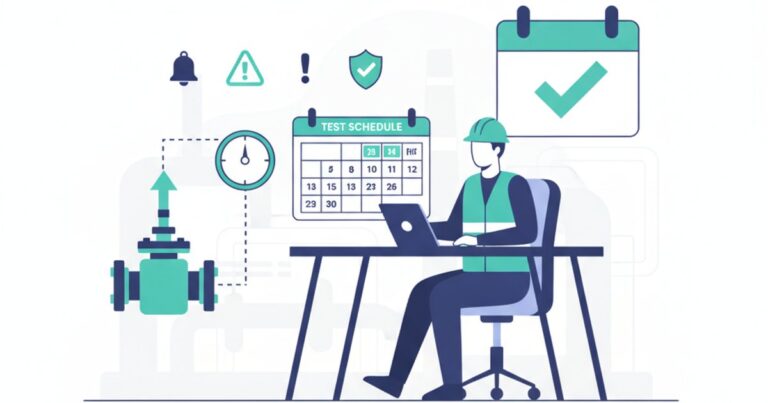
More importantly, it creates a heavy operational burden. You end up with escalating proof testing workloads that drain scarce technician hours and debilitating alarm floods that mask actual plant threats. When every minor deviation triggers a protection layer, operators quickly become desensitised to genuine emergencies.
Where the proof testing approach differs
Off the shelf risk assessment templates and rigid do it yourself calculators usually fail here because they lack the nuanced context of daily plant operations.
S5 cuts through this compliance paranoia by rigorously challenging baseline assumptions to right size your safety instrumented system, ensuring robust protection without unnecessary production drag.
What changes on site
Our targeted approach delivers fewer spurious trips within the first operating quarter, significantly lower proof testing overheads to save technician hours, and a leaner alarm architecture that keeps operators focused.
Where does your safety instrumented system scope feel heavier than the actual risk on your floor?
Getting started
Proof testing is not a technology decision, it is an operating decision. The sites that get value from it pick one or two assets that genuinely matter, instrument them properly, and wire the result into a maintenance routine somebody already owns. Start with the failure that costs the most per hour of downtime and work outward from there.
That sequence — one asset, one measurement, one owner — is what separates a programme that survives its first review from another pilot that quietly stops reporting. The engineering is rarely the hard part; sustaining the routine is.
If you are weighing options, bring the failure mode and the cost of an hour of downtime. Those two numbers are enough to scope a first deployment and to judge whether it earned its place at the next budget review.
Where this fits
Published by S5 Consultants. Related capability: S5 Consultants services, functional safety, OT cybersecurity.
Cross-published from the S5 Consultants LinkedIn stream (2026-10-13). Follow us on LinkedIn for the original post.
Talk to S5 Consultants
S5 Consultants is the assurance arm of S5 — functional safety, OT cybersecurity,
SCADA and systems engineering for industrial operators.
Discuss your project —
book a call.
Need a defensible functional-safety position?
Independent IEC 61511 consultancy — HAZOP, LOPA and SIL assessment, SIS design review and operational readiness. Led by a Certified Functional Safety Expert.
Fixed-scope engagement, clear deliverable, no obligation.